Introduction: In international engineering practice, the German construction codes and design principles for communication lines in machine rooms attract significant attention due to their rigor and systematicity. From an actionable perspective, this article outlines key standards and practical considerations to help engineers balance compliance and performance during the design and construction phases.
Germany’s standardization system is primarily based on DIN, VDE, and EN, emphasizing safety, interoperability, and maintainability. For data center communication lines, these standards cover all aspects of the process, from cabling and materials to fire protection and electromagnetic compatibility, facilitating the unified implementation of standards in cross-border projects.
Common standards include DIN 18015, VDE 0100 series, and related EN standards. The project should take into account local regulations and building fire safety requirements to determine the applicable version and revision sequence, thereby avoiding compliance risks arising from standard differences.
The cables in the machine room are classified by purpose into main distribution cables, device connection cables, and redundant links. The layout should take into account ventilation, maintenance access, and power distribution areas, ensuring that the wiring is clearly organized, properly labeled, and meets future expansion needs.
Selection is based primarily on performance, flame retardancy rating, and mechanical strength. German construction codes often require the use of low-smoke, halogen-free (LSZH) materials or cables that meet fire safety standards. When installing them, it is necessary to avoid running them alongside high-voltage cables to reduce interference and potential safety hazards.
When passing through firewalls and floor slabs, certified sealing and fire-resistant sleeves must be used to ensure that the fire resistance rating at the penetration points is not compromised. Fire compartments should be established in the machine room, along with designs for emergency evacuation and fire suppression systems.
Reliable grounding is the foundation for ensuring stable transmission and device safety. Follow the principle of equipotential bonding, arrange the shielding layer and grounding main lines reasonably to avoid ground loops, and check the continuity of the shielding to reduce electromagnetic interference.
During the construction phase, process inspection points and quality records should be established, along with standardized construction techniques and a labeling system. German standards emphasize process control prior to acceptance, requiring contractors to provide certificates of conformity and material factory inspection certificates.
Acceptance includes cable continuity, link loss, bandwidth, and interference resistance testing. All test records, wiring diagrams, and operation and maintenance manuals should be archived as important references for future maintenance and audits, to ensure traceability of the project.
Excellent design takes into account redundancy, maintainability, and cost-effectiveness. The use of modular cabinets, clear separation of power and communication areas, and provision of expansion channels and test points help to reduce downtime risks and improve network reliability over the long term.
In multinational projects, German construction standards should be followed, while integrating local regulations and construction practices. Early communication, dual acceptance standards, and training can effectively reduce implementation discrepancies and compliance conflicts.
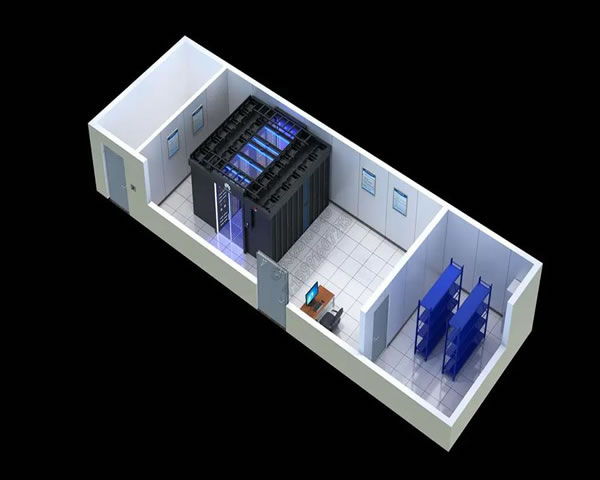
Summary: German construction standards and design guidelines for communication lines in computer rooms emphasize standardization, maintainability, and safety. It is recommended to clarify the applicable standards, materials, and acceptance procedures at the early stage of the project, strengthen construction management and testing records, to ensure that the design meets business continuity and scalability requirements while remaining compliant.
- Latest articles
- Risk Warning: Hidden Costs and Limitations of Free Cloud Server Services in Hong Kong
- How to evaluate the cache hit rate performance of Taiwan’s CDN CN2 in different regions
- Which VPS provider in Malaysia is the best? A comprehensive comparison based on price-performance and after-sales support
- Detailed Explanation of Factors to Consider When Choosing a Data Center in Singapore: The Impact of Singapore CN2 VPS on Access Speed
- Where are Malaysia’s WeChat servers located? Geographical factors that affect message delivery speed
- Advantages of Hong Kong’s native IPs in supporting cross-border work and distance education at airports
- Risk Warning: How to Avoid Contract Traps and Hidden Fees When There Are Activities at Hong Kong Station Groups
- Top Choice for Small and Medium-sized Enterprises: Strategies for Selecting Hong Kong VPS and Server Hosting Providers
- Complete List of My World German Server Names, Analysis of the Best Options, and Recommendation Guide
- How to Achieve Seamless Corporate Work and Video Conferencing Using Cambodia’s CN2 Domestic Server
- Popular tags
-

interpretation and implementation guide of german computer room cabling standards
this article explains in detail the german computer room cabling standards and provides implementation guidelines to help companies ensure an efficient and stable network environment in data center construction. -

recommended german volkswagen cloud server operation and maintenance management tools and automated monitoring solutions
recommended cloud server operation management and automated monitoring solutions for the german market, covering configuration management, monitoring stack, log aggregation, alarms and compliance points, suitable for enterprise-level implementation. -
Key factors you need to know before choosing a German server hosting service
When choosing a German server hosting service, the key factors you need to know, including performance, stability, security, etc., help you make informed decisions.